Introduction
Underground, out of sight, and completely ignored, that is how most people treat their septic system, right up until the day it forces them to pay attention. And when it does, it does not send a polite warning. It sends raw sewage backing up through your drains, a yard that smells like a waste facility, and a repair bill that does not leave room for negotiation. A septic system that isn’t checked on regularly doesn’t just rest; it slowly and silently breaks down until the problem is too big to ignore and too expensive to fix quickly.
At Dano’s Septic, we have spent 30 years making sure Washington homeowners never have to find out what that looks like firsthand.
This blog simplifies the details and gives you the real picture, research-backed picture of what regular septic system inspections do, why skipping them is a gamble you cannot afford, and what the septic tank inspection process actually involves.
What Really Happens During a Professional Septic Inspection
There is a widespread belief that a septic inspection means someone glances into the tank and moves on. That is one of the most harmful septic systems myths debunked that homeowners have already had to deal with when their systems fail.
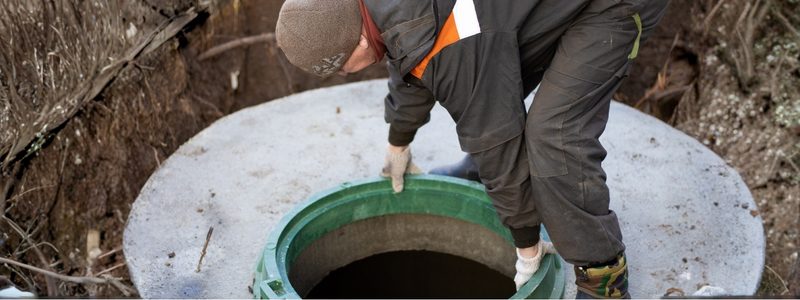
A certified inspection is systematic and technical. This is what really happens:
- The access lid is opened, and the tank is fully pumped using a high-powered vacuum
- The interior is flushed with water to expose residue, cracks, and structural issues
- Baffles are inspected for blockages, corrosion, or root intrusion
- Sludge and scum layers are measured against safe operational thresholds
- The drainfield is evaluated for saturation, pooling, or signs of stress
- A written report is issued documenting findings and recommended next steps
| Measurement Point | Safe Operational Threshold |
| Floating solids to the outlet baffle | Minimum 3 inches of clearance |
| Settled solids to the outlet baffle | Minimum 12 inches of clearance |
When one of the thresholds is crossed, solids start to move toward the drainfield. Once that happens, the damage gets worse quickly and quietly below ground.
If your septic system has never been inspected, it is not “fine.” It is just failing somewhere you cannot see yet.
How Regular Inspections Prevent Costly Repairs
The financial logic here is straightforward, but the emotional reality is what motivates people. A cracked baffle repaired during a routine visit is a minor fix. That same crack, left undetected for three more years, allows solids to saturate your drainfield. Restoring a drainfield is a long process, even when it is possible. Full replacement is much more expensive and disruptive.
Prevent costly septic repairs by understanding the chain reaction that routine inspections interrupt:
- Sludge accumulates beyond safe levels
- Solids push through the outlet baffle
- Drainfield clogs and begins to fail
- Wastewater backs up into the home or surfaces in the yard
- Full system failure requires emergency intervention
Septic system backup prevention is not about being cautious; it is about understanding how these systems actually work. Solids do not disappear. They accumulate. And once they get to your drainfield, no amount of additives or treatments can fix the damage.
A 2019 analysis from the EPA’s SepticSmart program confirmed that homeowners on consistent inspection schedules reduced system failure risk by more than 50% compared to those who delayed maintenance.
Protecting Your Health and Water Supply
Most homeowners don’t know how important this part is. A septic system failure is not just a problem for the property; it is a public health issue.
A compromised system lets untreated sewage flow into the soil around it. In Shelton, Bremerton, and Port Orchard, many homes have private wells. If your well is contaminated, the pollution goes straight to your drinking water source. The effort to protect well water from septic contamination is not precautionary. It is essential.
What a failing system introduces into groundwater:
- E. coli and coliform bacteria linked to gastrointestinal illness
- Nitrates are particularly dangerous for infants and pregnant women
- Phosphorus and nitrogen compounds that damage local watersheds
- Pathogens that persist in soil long after the visible problem is addressed
Septic tank health and safety is also a legal matter in Washington State. All on-site systems are now required by law to undergo periodic inspections. Non-compliance can result in fines and mandatory system upgrades, often on a tight, unforgiving timeline.
Your septic system and your well are often just 50–100 feet apart. What happens in one directly affects the other.
How Often Should You Schedule Septic Inspections?
The importance of septic inspection frequency is one of the most misunderstood aspects of home ownership. Most people who own homes think that there is one answer that works for everyone. The truth is more complicated.
Washington State’s Health Department recommends cleaning every three to five years, but your septic inspection schedule should be shaped by several variables:
| Factor | Impact on Inspection Frequency |
| Household size | More occupants = faster sludge accumulation |
| Garbage disposal use | Significantly increases solid load |
| System age | Older systems need more frequent monitoring |
| System type | Conventional vs. alternative systems differ |
Beyond scheduling, daily habits shape how quickly your system degrades. Septic system maintenance tips that genuinely extend system life include:
- Never flush wipes, medications, or grease down the toilet, even if they say they are “flushable.”
- Conserve water during heavy usage periods to prevent hydraulic overload
- Keep the area above your drainfield clear of trees and deep-rooted shrubs within 30 feet
- Never park vehicles or heavy equipment over the drainfield
- Maintain a log of every inspection, pumping, and repair for future reference
Little things can protect big investments.
Choosing the Right Septic Inspector
Not all inspectors work to the same level. In a field where missing a finding can have effects for years, credentials and thoroughness are not up for debate.
What to verify before hiring anyone:
- State licensure: Washington requires certified inspectors for all O&M inspections
- Experience with your system type: Conventional, pump, mound, and sand filter systems each require specific expertise
- Written reporting: Verbal summaries are not documentation; you need a formal report for legal, insurance, and resale purposes
- Availability: Septic emergencies do not happen on schedule, and your provider should not either
Dano’s Septic brings over 30 years of experience serving homeowners across Shelton, Bremerton, and Port Orchard. Our licensed inspectors provide complete written reports, honest assessments, and 24/7 availability, including weekends and holidays. We answer every call ourselves because we are a family business. No call centers, no hassle.
The Bottom Line: Your System, Your Responsibility
Septic systems are one of the most overlooked and most consequential systems in any home. Regular septic system inspections are not optional maintenance. They are the best thing a homeowner can do to keep their home clean, avoid emergency repairs, and stay within the law in Washington State.
The importance of septic inspection goes well beyond what is visible above ground. It’s about what’s going on quietly under your yard, near your well, and in a system that most people don’t think about until they have to.
Dano’s Septic has helped Washington homeowners prevent costly septic repairs, maintain septic system backup prevention, and follow the right septic inspection schedule for over three decades. From certified O&M inspections to pumping, repairs, and drainfield services, our team handles every aspect of your system, and backs new residential installs with a 10-year limited warranty as long as regular maintenance is in place.
Do not wait for the warning signs. By the time they appear, the damage is already underway. Call Dano’s Septic at (360) 697-1271. We are available 24 hours a day, 7 days a week, and a real team member will always answer. Schedule your inspection today to take the first step in protecting your home, your water, and your family.