Introduction
Every homeowner with a septic system knows the drill: maintenance time means your beautiful lawn gets torn apart. Service crews spend hours probing and digging just to find the buried access port. What should be routine becomes an expensive, yard-destroying hassle. When access feels this difficult, people delay appointments, and that’s when real problems start. Skip maintenance long enough, and you’re facing system failures, sewage backups, and repair bills in the thousands.
At Danos Septic, we’ve seen this cycle repeat too many times, which is why we recommend one simple fix that changes everything.
This blog covers everything about septic risers: what they are, their benefits, and how they make pumping and maintenance incredibly simple while protecting your property from damage.
What Are Septic Risers
A septic riser is basically a pipe extension running from your buried tank straight up to ground level. Instead of digging down for every service visit, you get direct access right at the surface.
These pipes come in different heights based on tank depth; usually, they are 12 to 48 inches tall. Diameter matches your tank opening, typically 18 to 24 inches. A secure lid sits on top, keeping everything sealed.
We usually use PVC at Danos Septic because it is light, waterproof, and very strong. It won’t rust, crack, or fall apart. The lid has locks on it to keep kids and pets away from your septic tank while letting professionals get to it quickly.
Benefits Of Risers
Installing risers delivers some real advantages that affect your wallet and daily life.
- Time Savings: Service appointments without risers can drag on for hours. With one installed, the whole pumping visit wraps up fast.
- Yard Protection: Traditional maintenance means probes stabbing grass, shovels tearing up landscaping, and a muddy mess taking weeks to fix. Risers eliminate that damage.
- Affordable: Every service without a riser means digging costs. Those fees really add up over the life of your system. Septic riser installation once pays for itself many times over.
- Encourages Maintenance: Simple access means homeowners stick to schedules. But if they aren’t easy to get, appointments get pushed back until something urgent comes up.
- System Longevity: Regular inspections catch small issues before they explode into expensive problems. Septic system upgrades, like risers, make regular maintenance much more likely.
The EPA says that septic tanks should be pumped every three to five years, but homes that are hard to get to go seven or more years between services, which triples the risk of failure.
Understanding the Installation Process
Septic riser installation is pretty easy and usually takes less than an hour.
Our crew finds your tank with electronic locators or good old-fashioned probing. Once we’ve got it, we dig around the access port—carefully, so nothing gets damaged. Then we pull out the measuring tape to see exactly how tall your riser needs to be.
The next step is securing that riser to your tank opening. We use special waterproof sealants designed just for septic work. Why does this matter? Because if there’s even a tiny gap, groundwater gets in and floods your whole system. After that’s sealed up tight, we fill the dirt back in and pack it down so nothing shifts or settles later.
Finally, the locking lid goes on at whatever height you want—flush with the ground or slightly below for grass coverage. The whole thing takes 30-45 minutes, especially when done during regular pumping since the tank’s already open.
1. Easier Access For Pumping
Pumping access improvement is honestly the main reason people get risers, and the difference is huge.
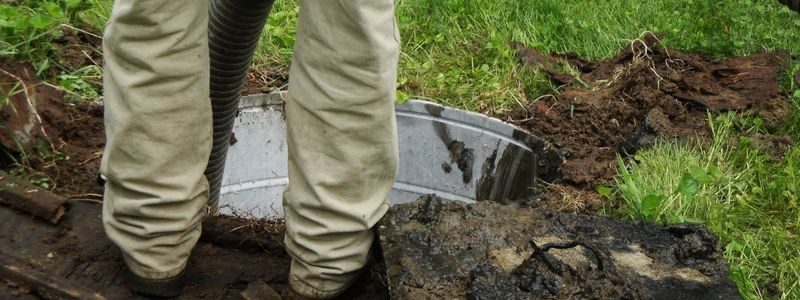
Without risers: Service folks show up and start the treasure hunt. They’re walking around with metal probes, poking everywhere, trying to find your buried tank. Once they locate it, out come the shovels to dig through all that soil. Your lawn gets wrecked, mud everywhere, and you’re paying for all that extra time.
With risers: Technicians walk right to the spot, pop the lid, and start pumping. Done. No searching, no digging, no mess. Studies show risers cut service time by about 65%, which means lower bills and way faster appointments.
2. Cost Considerations
The upfront cost depends on what material you pick, how tall it needs to be, and whether you’re adding it to an existing tank or a new one. PVC runs less than concrete, and standard heights cost less than custom ones.
Smart move? Schedule it during your next maintenance visit. Since the tank needs opening anyway, adding a riser then keeps costs down.
Long-term, risers pay for themselves easily. Most homes need septic tank pumping every 3-5 years. Over twenty years, that’s about 5-6 appointments. Each one without a riser adds excavation fees. Do the math—riser wins every time. Plus, you skip landscape repairs, avoid delayed maintenance causing septic repairs, and stop the repeated yard damage.
3. Choosing The Right Riser
Picking the right riser means understanding what actually works for your setup.
- Materials: For most residential septic service needs, plastic (PVC or polyethylene) works best. These resist corrosion totally and seal perfectly. Concrete only makes sense if vehicles will drive over it.
- Size: Risers need to match your tank’s opening—usually 18, 20, or 24 inches. Height depends on how deep your tank sits, anywhere from 12 to 48 inches.
- Lids: You’ve got standard lids, bolt-down types, and locking lids. Got kids or pets? Definitely go with locking lids.
- Quality: Look for brands offering 10-20 year warranties. Good ones include ribs to stop frost adhesion, UV protection, and proper gaskets for watertight sealing.
4. Simple Maintenance Tips
Risers don’t need much maintenance once they’re in place. They last for decades without much headache.
- Check lids once a year: Look for cracks, do the seals test, and make sure the locks work perfectly. This will only take five minutes.
- Mark the spot: Use markers that can be seen so that no one hurts it while working in the yard.
- Keep heavy stuff away: No parking cars or putting equipment on top of risers.
- Trim grass: If your lid is level with the ground, keep the grass short around it.
- Stick to the schedule: Every three to five years, like clockwork, schedule septic inspection and pumping.
- Save paperwork: Keep the date of installation, the type of material, and the warranty information close at hand.
Never try to fix an open septic tank yourself; toxic gases can knock you out in seconds. Always hire professionals who wear safety gear.
5. Professional Installation Help
DIY might sound good, but professional installation is worth it every time.
- Safety: Septic tanks release dangerous gases. Professionals use monitors, breathing masks, and ventilation gear. They know how to do their jobs without putting anyone in danger.
- Proper Sealing: The riser connection must be watertight. Bad seals let groundwater flood your system. We use special glues and check everything before putting it back together.
- Compliance: Professional work follows local rules, which is important when you sell your home or have an inspection. Most manufacturers also require professional installation for warranties to be valid.
- Efficiency: We install during regular pumping visits, so no extra service calls or added costs.
At Danos Septic, we’ve done hundreds of these over thirty years. We’ve handled every weird tank setup you can imagine.
Your Path to Hassle-Free Maintenance
Septic risers are honestly one of the smartest moves any homeowner can make. They turn maintenance from a total headache into something quick and painless. The upfront cost pays itself back fast, and convenience lasts decades.
Danos Septic is family-owned, serving Washington for 30+ years. We handle septic tank pumping Bremerton, septic pumping Bremerton, septic tank pumping Port Orchard, septic tank pumping Shelton, septic inspection Bremerton, septic inspection Shelton, septic repairs Bremerton, septic repairs Port Orchard, septic riser installation, and septic system upgrades—all backed by our 10-year warranty.
Ready to skip the digging drama? Call Danos Septic for septic Bremerton, septic Port Orchard, or septic Shelton services. We’re available 24/7. Call (360) 697-1271 now!