Most household septic tanks need pumping every three to five years, but tank size, household use, and measured waste buildup determine the right schedule. The EPA gives this range as general guidance, rather than a deadline every home can follow. At Danos Septic, we provide professional septic tank pumping and repairs in Shelton, Bremerton, Port Orchard, and surrounding communities, with septic inspections to help determine when pumping is needed.
Perhaps the previous owner left a pumping receipt, but your household is twice the size. Or everything drains normally, making another service visit easy to postpone. How do you know whether the tank can wait? The useful answer comes from what has accumulated inside it, supported by records of how your household uses the system.
How to Care for Your Septic Tank System
You can care for your septic system by storing septic tank inspection records, controlling what goes down the drains, and protecting the tank and drainfield. Professional septic tank pumping matters, but everyday habits influence how much work the system must handle between visits.
Start with these practical steps:
Keep a maintenance folder:
Save pumping receipts, inspection findings, repair reports, and the system drawing. These establish what was checked and what needs follow-up.
Put waste in the right place:
Keep grease, wipes, paper towels, and hygiene products out of the system.
Preserve access:
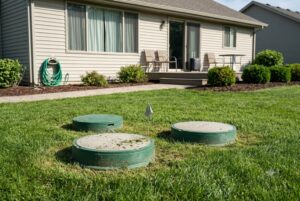
Know where the tank lids are and avoid landscaping that makes servicing difficult.
Report changes early:
When arranging an appointment, explain new odors, slow drainage, wet ground, or alarms.
Washington’s septic care brochure supports these habits and explains that inspections help establish when pumping is necessary.
Quick tip: If you recently moved in, request the previous inspection report and the pumping receipt. An emptied tank and an evaluated system tell you different things.
What Determines Whether Septic Pumping Is Necessary?
Septic tank pumping in Shelton, Bremerton, Port Orchard, and nearby areas becomes necessary when accumulated solids need removal, assessed alongside the tank’s capacity, household use, and system condition. The date of the previous visit provides context, but it cannot show how much waste has collected since then.
A household can change considerably between appointments. More residents, frequent overnight guests, or heavier use of a garbage disposal may make an old maintenance schedule unsuitable.
| Factor | Why it affects pumping needs | What to tell your provider |
| Household occupancy | More users generally add more wastewater and solids | Whether the number of residents has changed |
| Tank capacity | Available capacity affects how much waste can accumulate | Tank size, if documented |
| Garbage disposal use | Food waste adds material that must be managed | How regularly the disposal is used |
| Previous findings | Recorded buildup helps inform the next recommendation | Sludge and scum measurements |
| Current symptoms | A malfunction may require more than pumping | Where and when problems occur |
The EPA identifies these household and system factors as relevant to pumping frequency.
For a septic tank inspection in Port Orchard, Shelton, or Bremerton, ask for a recommendation based on your system’s findings. Our O&M inspections include measuring sludge, scum, and liquid levels to determine whether pumping is needed.
Regular Pumping Helps Protect Long-Term Performance
Removing accumulated solids helps protect the drainfield from material that should remain in the tank. That protection matters because pumping a tank is different from correcting a clogged or damaged drainfield.
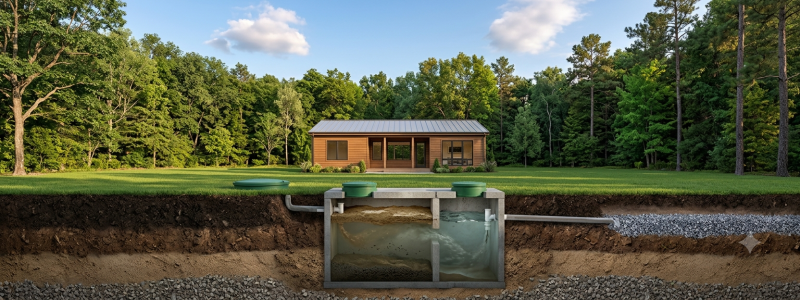
Heavier waste settles as sludge, while lighter material forms a floating scum layer. As those layers grow, the tank has less effective space for separating incoming wastewater. Solids that escape can contribute to drainfield clogging.
Keep the limitation beside the benefit:
- Pumping removes accumulated waste: It does not rebuild damaged components.
- Maintenance reduces avoidable strain: It cannot correct every design or site problem.
- Age provides background: Condition and performance still need assessment before replacement is considered.
The EPA explains how neglected maintenance can allow solids into the drainfield. Regular septic tank pumping supports care; it does not guarantee a particular lifespan.
Manage Water Use Throughout the Week
Reduce unnecessary wastewater and spread heavy water use across different days so the system receives a more manageable flow. A pumping appointment cannot compensate for a toilet that keeps running afterward.
According to the EPA, indoor household water use can reach 70 gallons per person each day, and a single running toilet can add as much as 200 gallons daily. Those figures make leak repairs a meaningful part of septic care.
Some practical changes include:
- Repair persistent leaks: Check fixtures that continue running after use.
- Spread out laundry: Avoid sending a week’s worth of laundry through the system in one concentrated session.
- Match the wash setting to the load: Do not use more water than the laundry requires.
- Discuss occupancy changes: A household that has grown may need its maintenance plan reviewed.
Quick tip: Record changes in water use alongside maintenance dates. Increased strain may be due to a household change rather than a new tank defect.
Protect the Drainfield From Traffic and Extra Water
Keep vehicles, structures, and unnecessary runoff away from the drainfield so the soil can continue treating wastewater. The drainfield is a working part of the system, even when it looks like ordinary lawn.
For homeowners in Shelton, Belfair, Grapeview, or the surrounding communities, the important question is where water goes on the individual property. Don’t assume nearby homes have identical drainage conditions.
Protect the area by:
- Keeping it clear of vehicles: Parking and repeated traffic can compact soil and damage components.
- Checking roof drainage: Downspouts should not direct extra water onto the field.
- Reviewing landscaping plans: Locate the drainfield and replacement area before adding permanent features.
- Reporting persistent wet spots: Describe whether they appear during dry weather or after rainfall.
Washington’s septic care guidance explains why ground cover, drainage, and access belong in maintenance planning.
If the drainfield is flooded or saturated, call before arranging pumping. The EPA warns against emptying tanks under those conditions, because buoyancy can lift a tank and damage connected pipes.
Keep Inspection and Pumping Schedules Separate
Follow inspection requirements for your system, and schedule pumping based on its condition. An inspection can identify maintenance needs without automatically requiring a pump-out.
Mason County’s O&M reporting guidance states inspection intervals of three years for gravity systems and one year for other system types. Confirm the requirements that apply to your property. Homeowners arranging a septic tank inspection in Bremerton, Shelton, or Port Orchard should check their own jurisdiction’s requirements.
After an inspection, ask:
- What maintenance is needed now?
- What findings support the pumping recommendation?
- When is the next inspection due?
- Which changes should prompt an earlier call?
Keeping those answers in writing makes future decisions easier, particularly when a different person manages the property or the home changes ownership.
Pumped Systems Need Mechanical Checks Too
Systems with pumps need checks of their mechanical operation as well as tank maintenance. Emptying a tank does not establish that its pump or controls are working correctly.
During our O&M inspections, we check pump operation and dosing where applicable, inspect the drainfield, and assess component condition. We also complete the required county paperwork.
If an alarm sounds, report it rather than assuming routine pumping is the complete answer. Explain whether it followed unusually heavy water use and whether drains are affected. Avoid repeatedly testing fixtures while waiting for advice.
Pumping and mechanical maintenance serve different purposes. A sound maintenance plan accounts for both when the system includes a pump.
Get Help When the Pumping Date Is Unclear
Arrange an assessment when records are missing, symptoms develop, or household use has changed enough to make the previous schedule questionable. You do not need to diagnose the cause before calling.
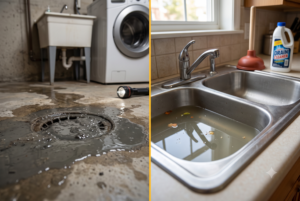
Slow drains, sewage backups, gurgling, persistent odors, and wet areas near the system are recognized warning signs. If sewage backs up indoors, avoid contact and seek prompt assistance. These symptoms warrant investigation, not waiting for the next scheduled pump-out.
At Danos Septic, we offer pumping, inspections, and repairs, with emergency service available around the clock. Our family-operated business serves Kitsap, Mason, Jefferson, Thurston, and Pierce counties.
Before booking a professional septic tank pumping service in Port Orchard, Shelton, Bremerton, or the nearby areas, have these details ready:
- The property address and any access restrictions.
- Previous service dates and reports, if available.
- Changes in household occupancy.
- The symptoms you have noticed and when they began.
- Whether tank lids are exposed or digging is needed.
If buried lids make maintenance difficult, we also offer septic riser installation to improve access for future visits.
Know When to Pump, Before Problems Interrupt Your Home
You should know when your tank needs pumping without waiting for a backup to make the decision for you. At Danos Septic, our family-operated team provides expert septic tank pumping and repair service in Shelton, Bremerton, Port Orchard, and surrounding communities, with septic inspections to help identify what needs attention and why.
Whether your maintenance records are missing or your drains have started behaving differently, tell us what you know. Call our team at (360) 697-1271 to discuss your system and schedule the right service.